What Shooting an Indie Film in Italy Taught Me About Myself as a Filmmaker
Eight days, four locations, one camera, and a job title I was still working out. An honest account of directing and shooting my first feature as a Director/DP - what worked, what I'd change, and the moment on a runway that made it click.
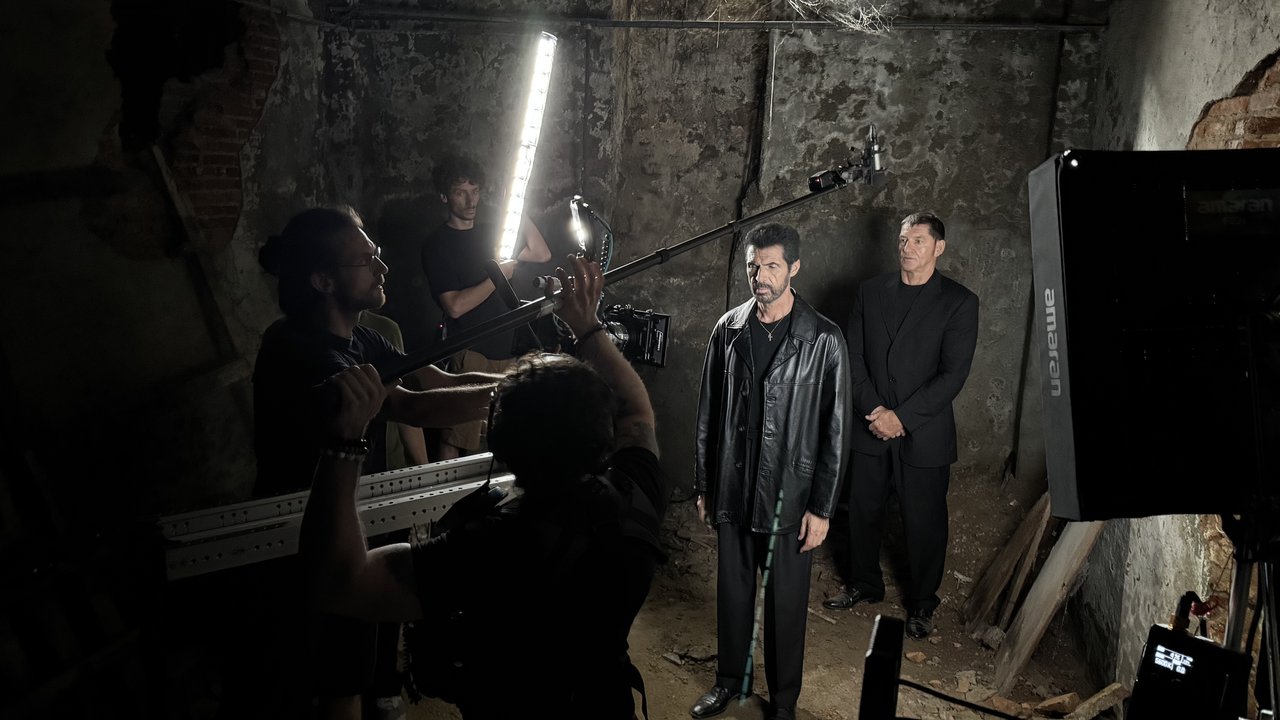
Eight days. Four locations. One camera. And a job title I was still working out.
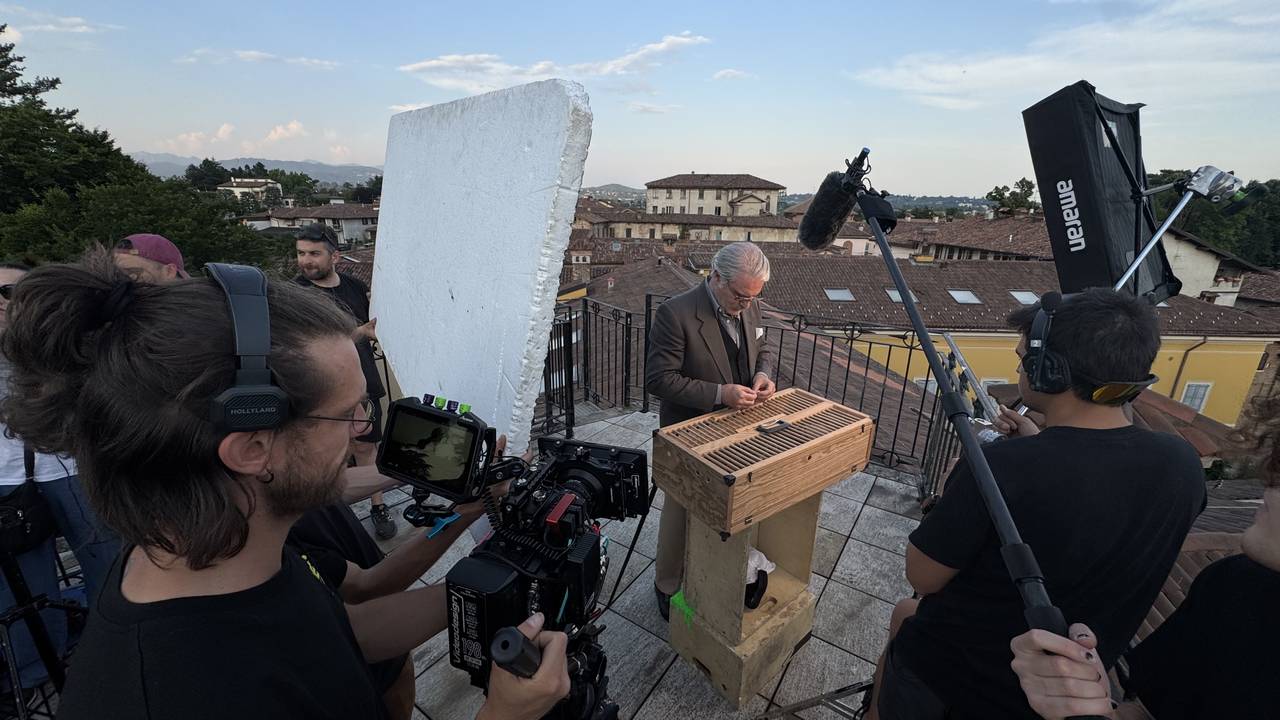
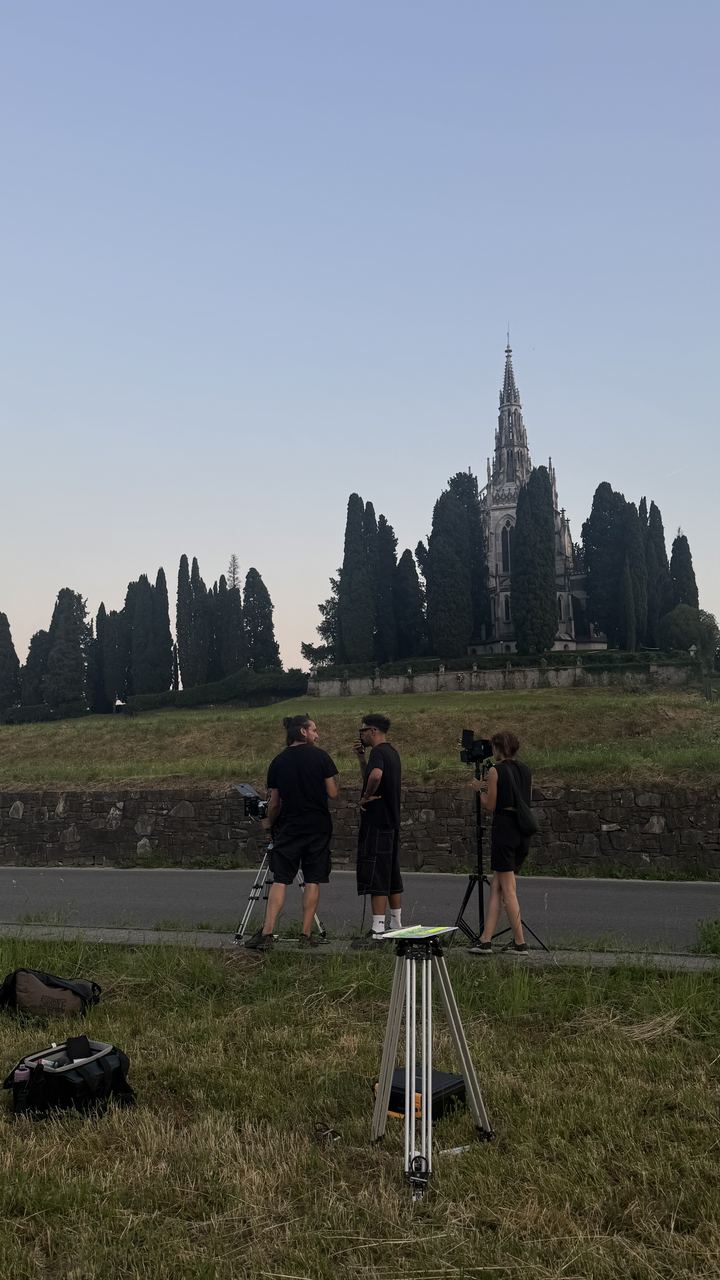
This past month I shot my first feature as a Director/DP. I Don’t Want To Be Like You is an Italian-language drama, shot on location at a villa outside Milan with a mostly Italian crew I’d never worked with before. The visual references were The Master, Sergio Leone, Scorsese. The ambition was high. The budget was not.
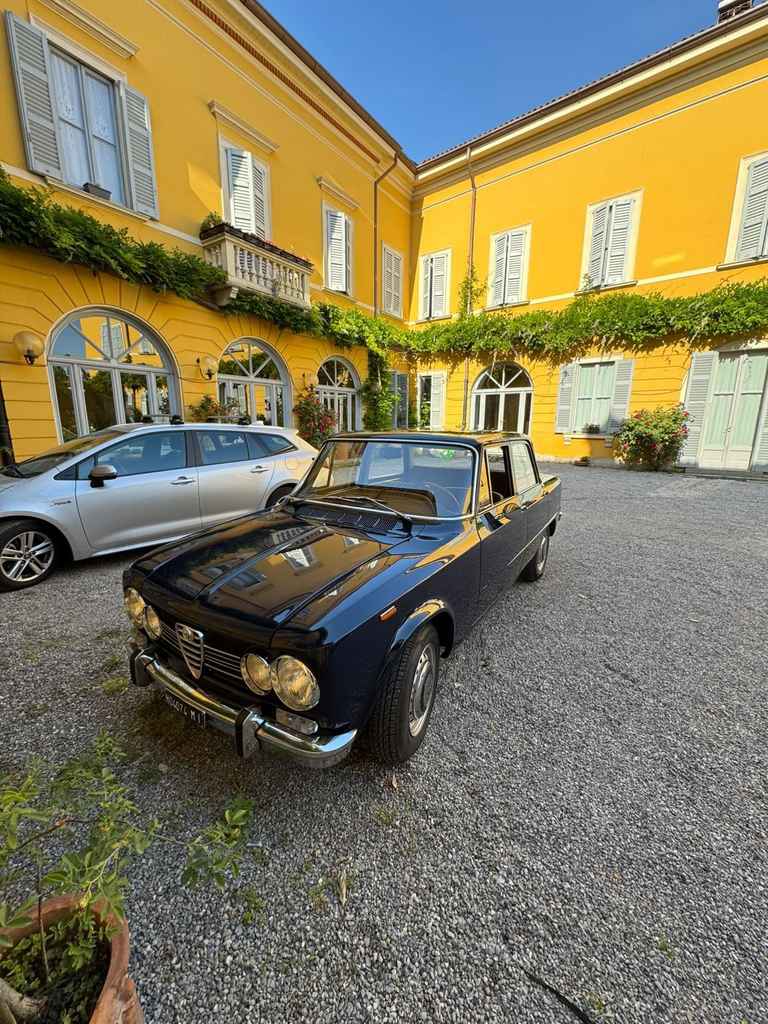
What follows is an honest account of how it went, what I’m proud of, and what I’m carrying into the next one.
The Shot That Made It Worth It
We almost didn’t get it.
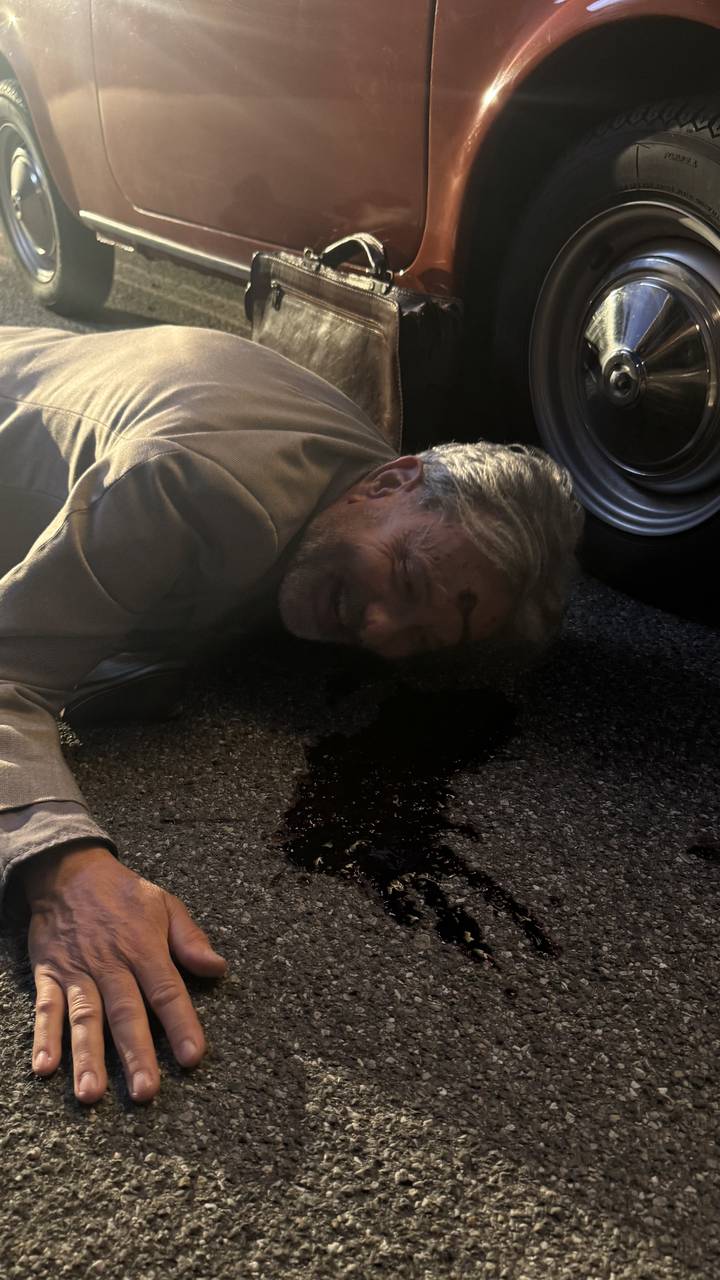
The motorcycle murder sequence was scheduled early in the shoot and we started the day over two hours behind. No set manager keeping things moving, non-actor cast who needed far more time than anticipated, and a shot list that was already ambitious under ideal conditions.
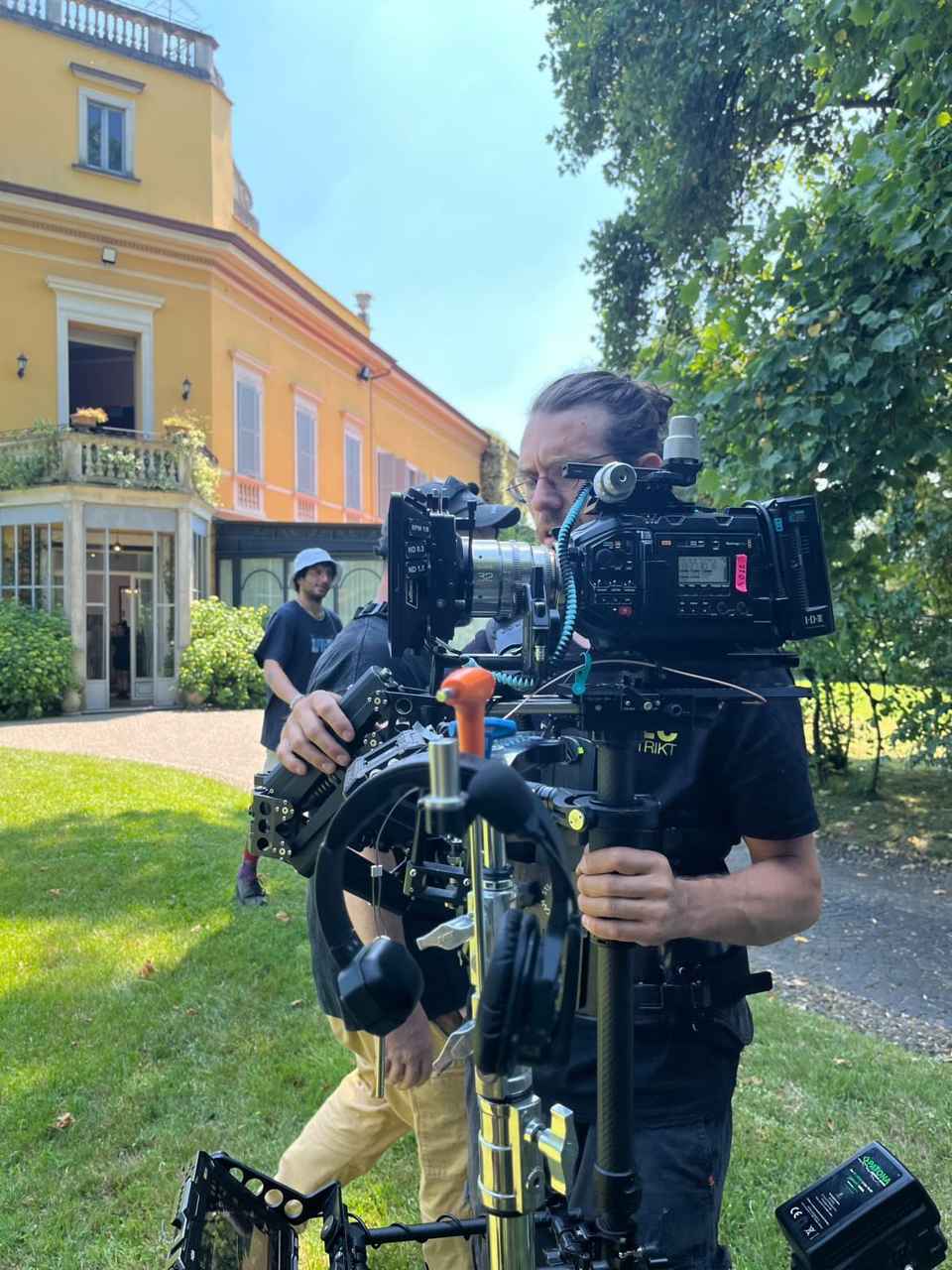
But the Steadicam master I’d designed for that scene, the one that drops you directly into the action, I got it. One good take. Watching it back, it’s really something. The blocking, the moving parts, the way everything lands together. I impressed myself, and that doesn’t happen often enough.
That take reminded me why I came.
The DOP/Director Problem Is Real
I’d been warned about this. I didn’t fully understand it until I was mid-way through working out a lighting solution and someone was asking me about costume continuity at the same time, and someone else had a question about actor motivation, and there was also the matter of a missing prop.
On a well-resourced production those questions go to different people. On this one, they came to me.
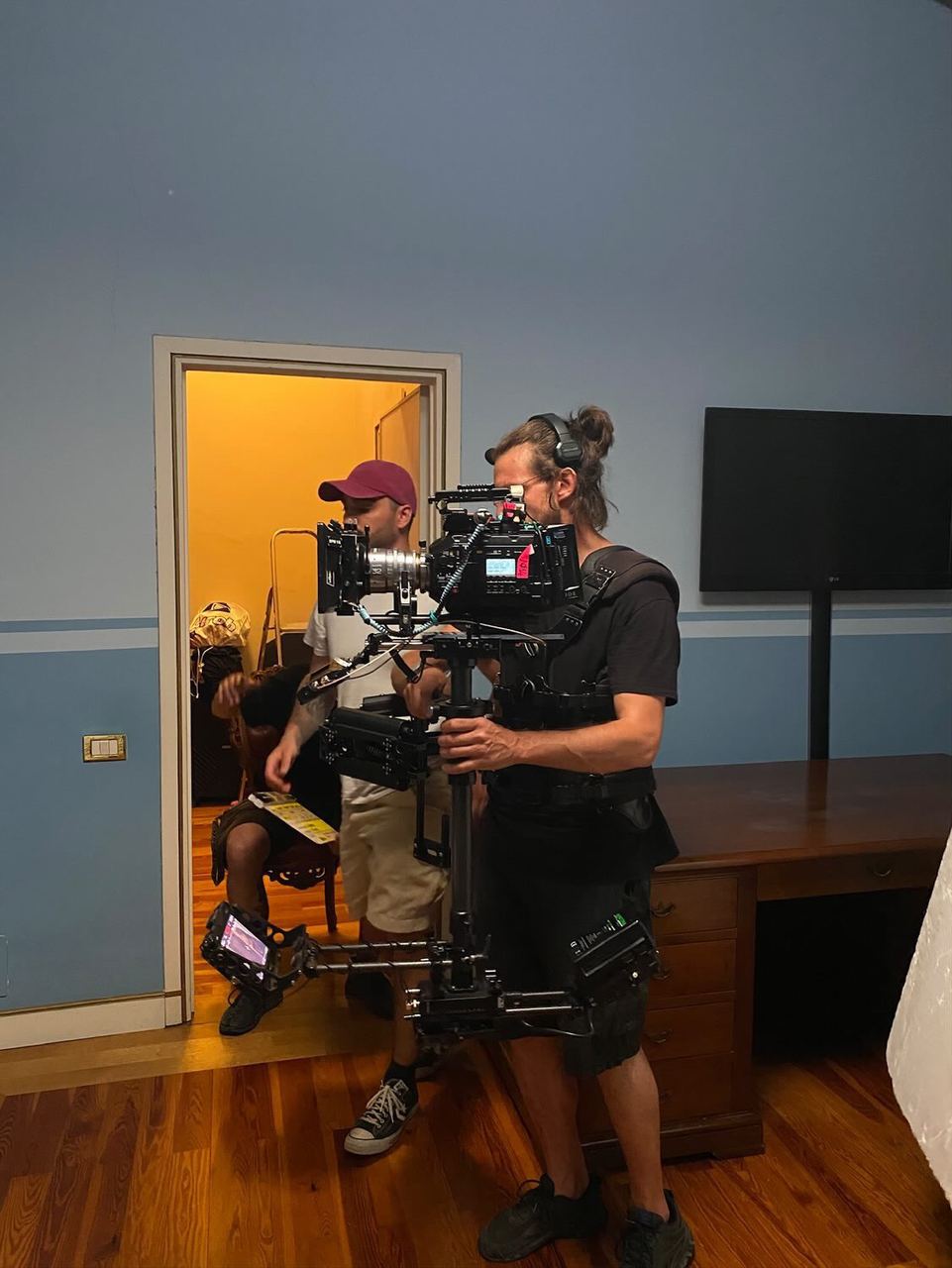
The days I handled it best were the days I’d already done the thinking in advance. When I arrived knowing exactly what each scene needed, I could answer quickly and get back to the camera. The days it cost me were the days I was already behind. Under that kind of pressure you stop asking what does this scene actually need and start asking what can I get away with. That’s not a place you want to be making creative decisions from.
If you’re going to do both jobs, your prep has to be twice as deep. That’s the simple version of the lesson.
Crew Consistency Is Everything
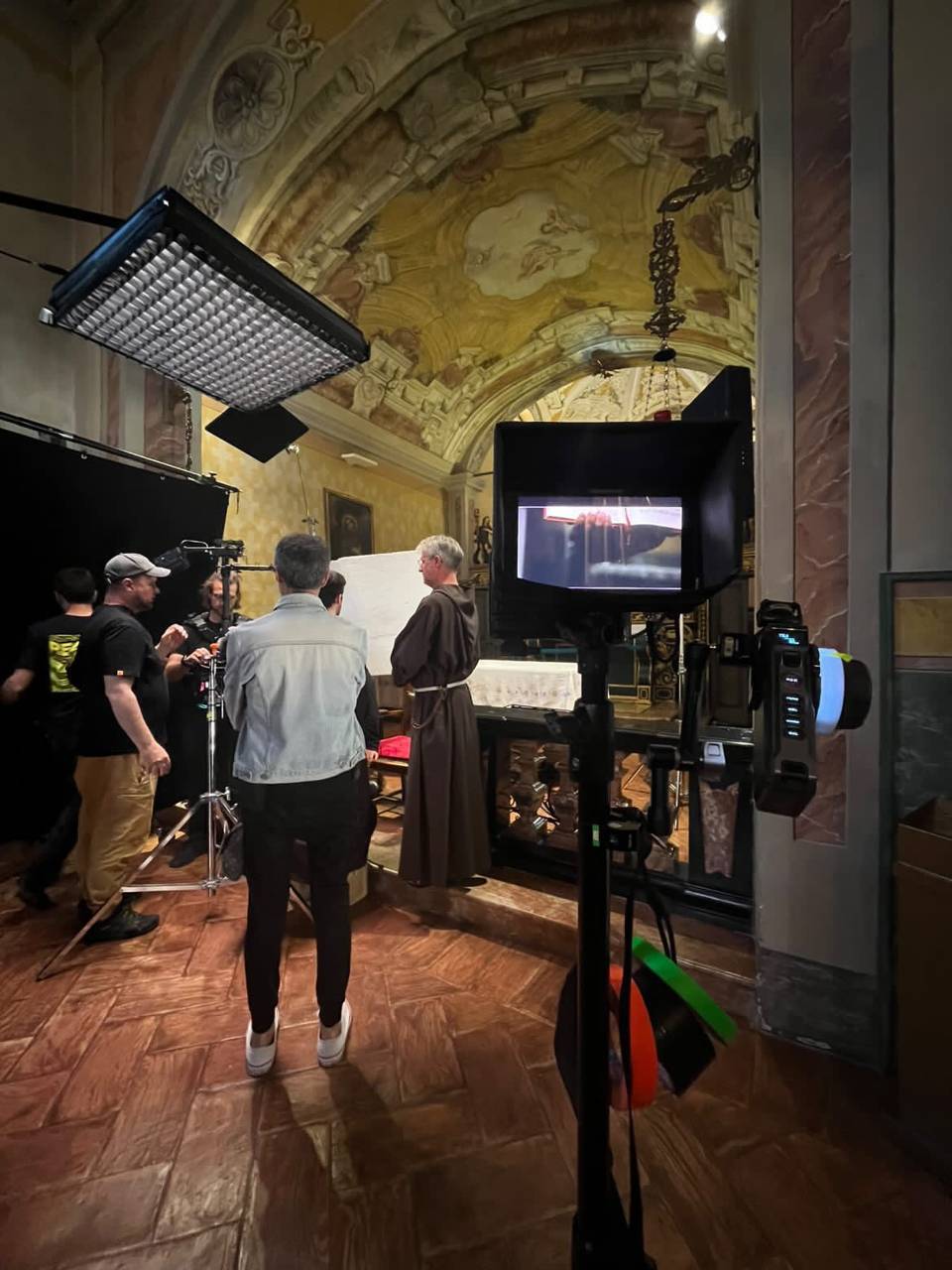
The four days we spent at the villa with the same core team were our best days. Not because those days were easier. Some of them were genuinely difficult. But we’d found a rhythm. We knew how each other worked. I could hand something off and trust it would get done.
On this production, crew rotated for budget reasons. Core members were on one day and off the next. Every time someone new came in we lost whatever momentum we’d built. We had to re-establish how to communicate, re-explain what the project was going for, re-earn the working dynamic we’d already found.
If I take one structural lesson into my next project it’s this: fight hard for continuity in your above-the-line team. The money saved rotating people costs more than you realise on the day.
What I Under-Prepared For
Before the shoot, Luca (my co-director and the film’s lead actor) and I spent two full days together working through the shot list. Everything was written down in bullet points. We had a clear plan.
The problem was that it never got converted into a proper format that could actually be shared with the crew. That work existed on paper and in our heads but it wasn’t accessible to the people who needed it until I was building it out night by night during the shoot itself.
There was only one day the team came in without a shot list the night before, the final shoot day. I uploaded it that morning and there wasn’t enough time to get hard copies printed. On a shoot like this that matters more than you’d think. People need to sit with a shot list, not glance at it on a phone five minutes before call time.
The fix: whatever prep work you do before you arrive, build it into a format the whole team can use from day one.
The Person Who Surprised Me Most
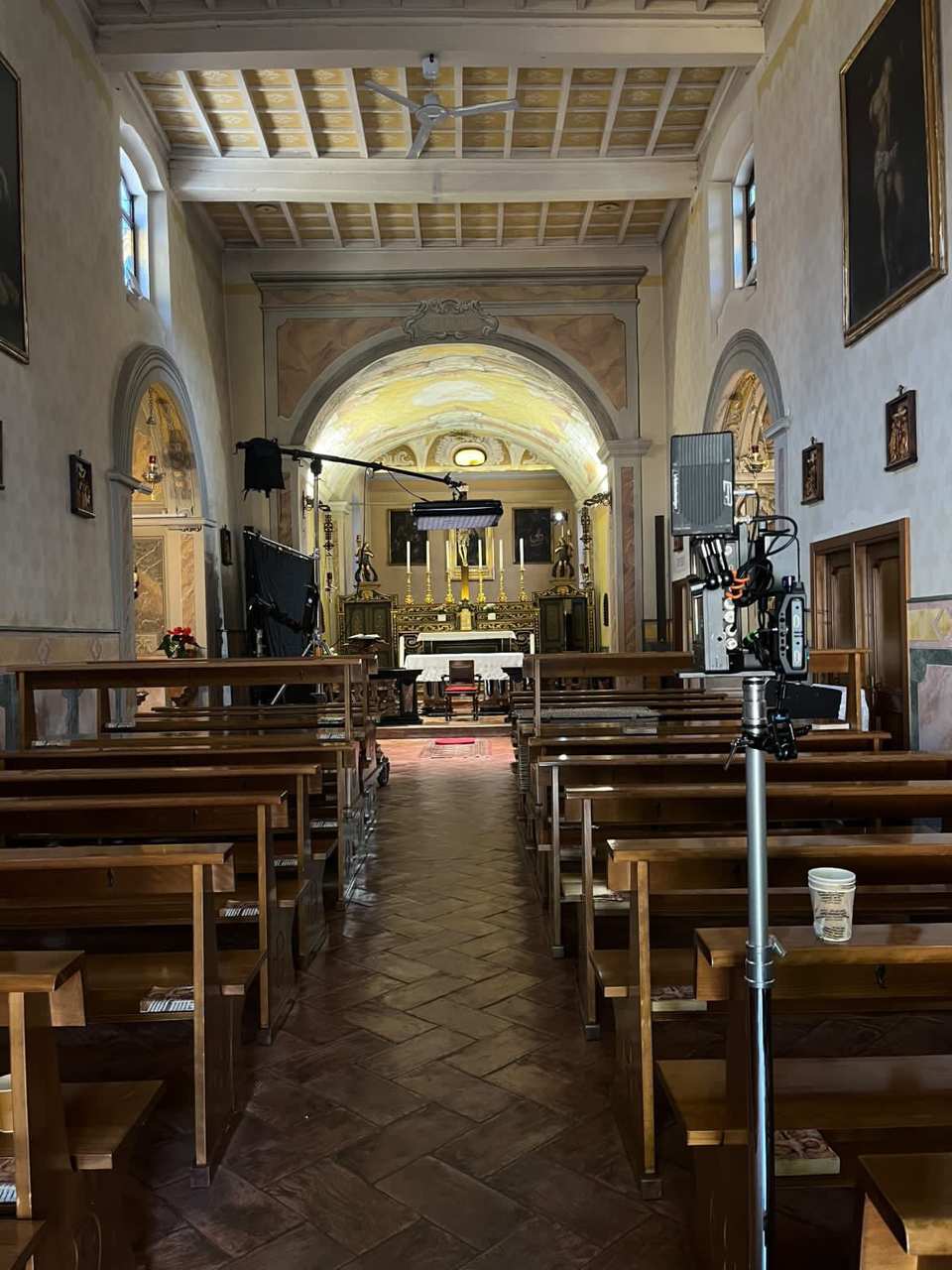
I hadn’t worked closely with a script supervisor before. Renata was with us every day and her presence was quietly essential. Continuity is one of those things you don’t notice when it’s working and can’t ignore when it’s not. She was always across the detail, always three shots ahead in terms of what needed protecting.
It also made me realise how much I still need to learn about the mechanics of coverage. Where actors enter and exit frame, how to build sequences that actually cut together. There’s a practical craft to it I want to study more seriously.
The Hardest Day
The last day.

Some of it was circumstance, some of it was my own planning failures, and some of it was accumulated weight. Eight days of carrying more than my share of the creative load takes something out of you. By the end I could feel myself absorbing the pressure from everyone around me, and I do absorb it. More than most people realise. That’s something I need to get better at managing.
What I should have done differently: before the shoot even started, I should have sorted the scenes into two clear groups. Story-critical, and everything else. Then built the schedule to protect the first group at any cost and let the second group be the flex. Instead I over-committed to an ambitious sequence that wasn’t the heart of the story and it ate the time I needed for the scenes that were.
Know what to fight for. Know what to let go of.
A Decision Made on a Runway
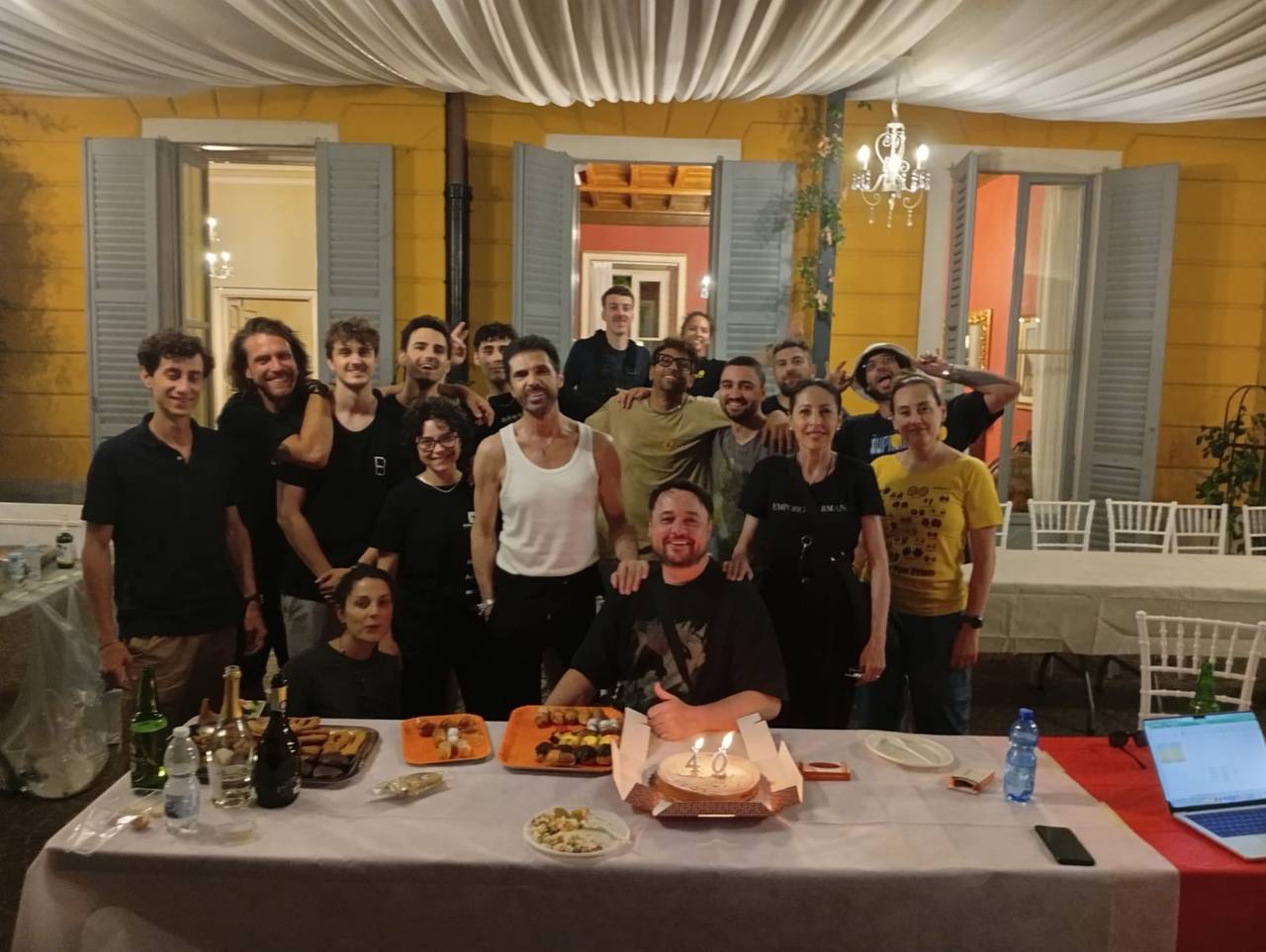
The day before that last day was my 40th birthday. We were shooting at an airport. The pilot told me I’d get one shot at a particular setup. One pass.
We nailed it.
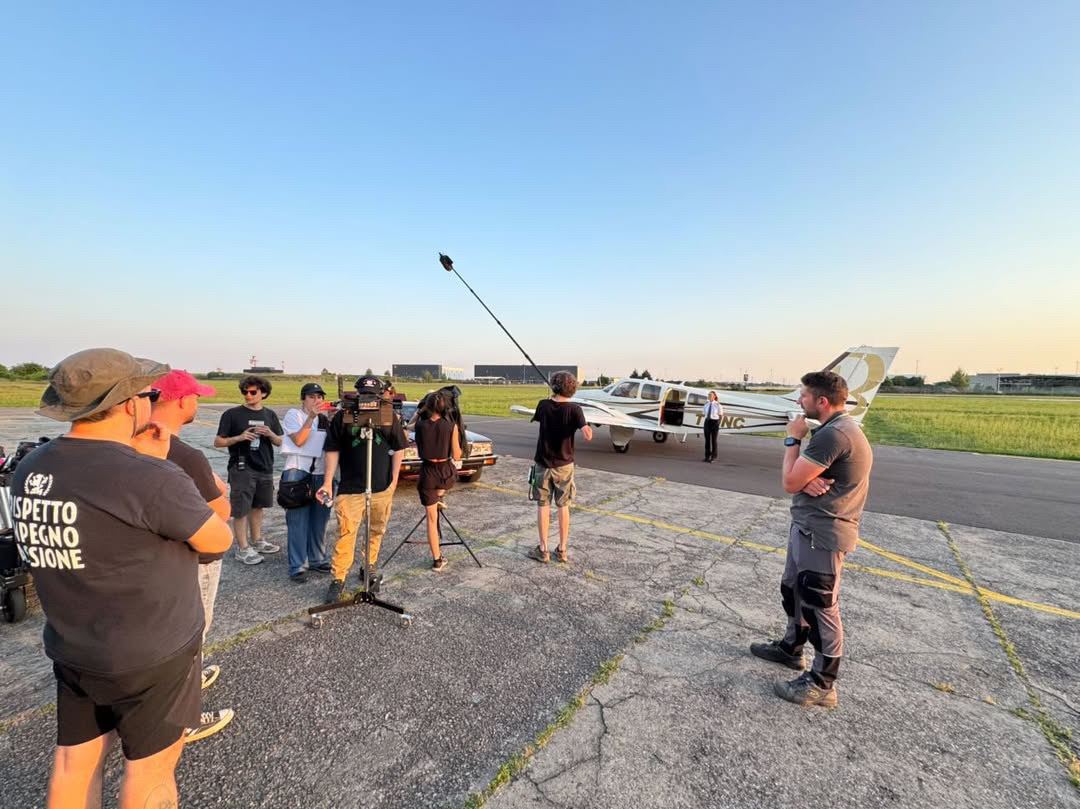
Standing on that runway something settled in me that I’ve been carrying ever since. I realised that the thing I’d been circling around for years, calling myself a director, was already true. I just hadn’t said it yet.
So I’m saying it now. I’m a Director/DP. That’s what I am and what I’m building toward. I don’t want to always have to do both, that’s not the end goal. But right now, being able to do both is something I intend to use.
What I’m Taking Into the Next One
A camera operator whose work I’ve seen before I hire them. A core team that doesn’t rotate. Prep work formatted and ready to share before I arrive. A daily morning walkthrough with all the department heads. A clear sense going in of which scenes I will not compromise on.
And more prep time. Always more prep time.
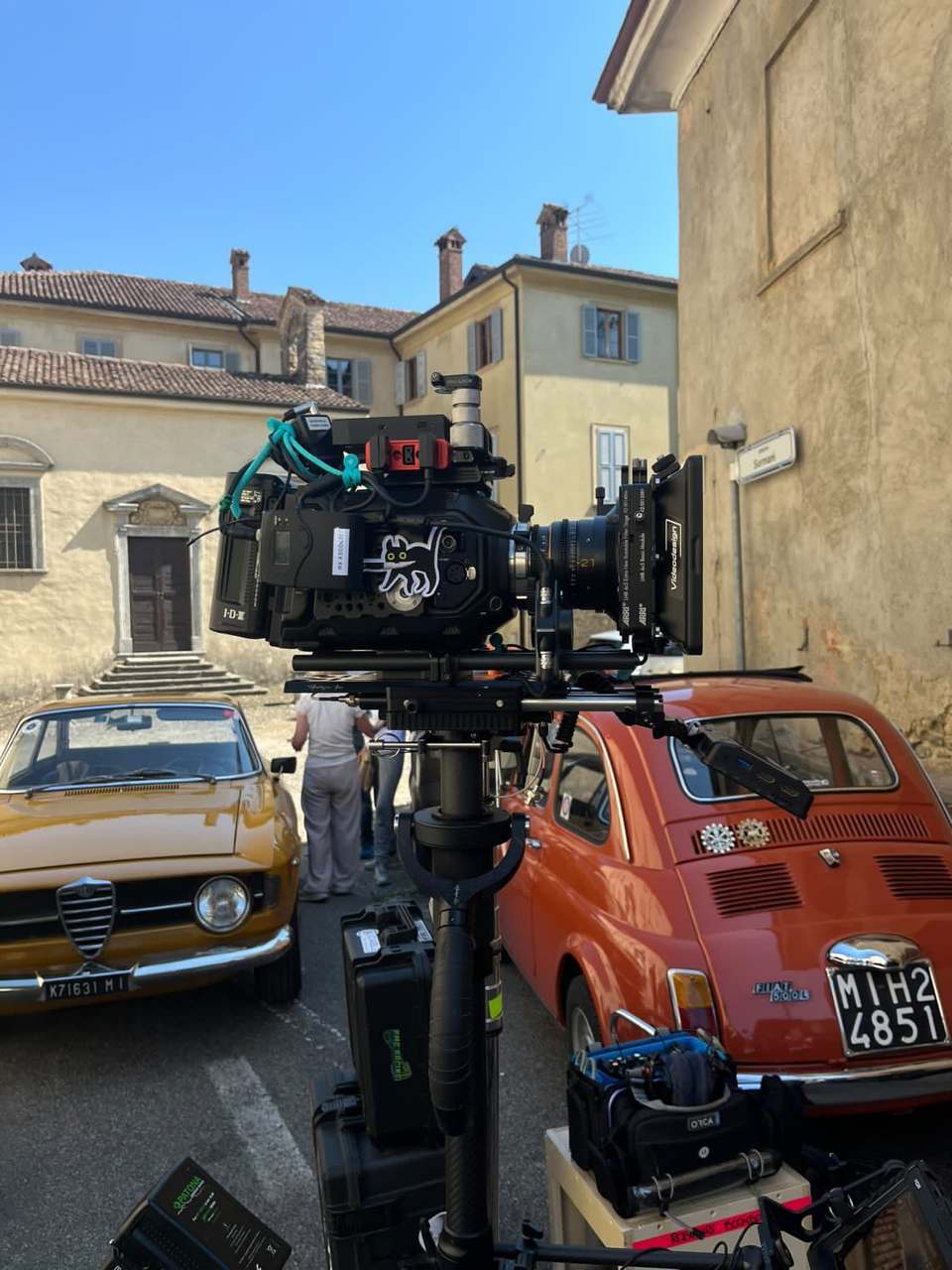
If you’ve ever worn too many hats on a set and felt yourself coming apart at the seams, this one’s for you. You’ll learn more in eight days than you expect. Just go in knowing what you’re walking into.
I Don’t Want To Be Like You is currently in post-production.
More from the set
91 more frames - scroll or use the arrows