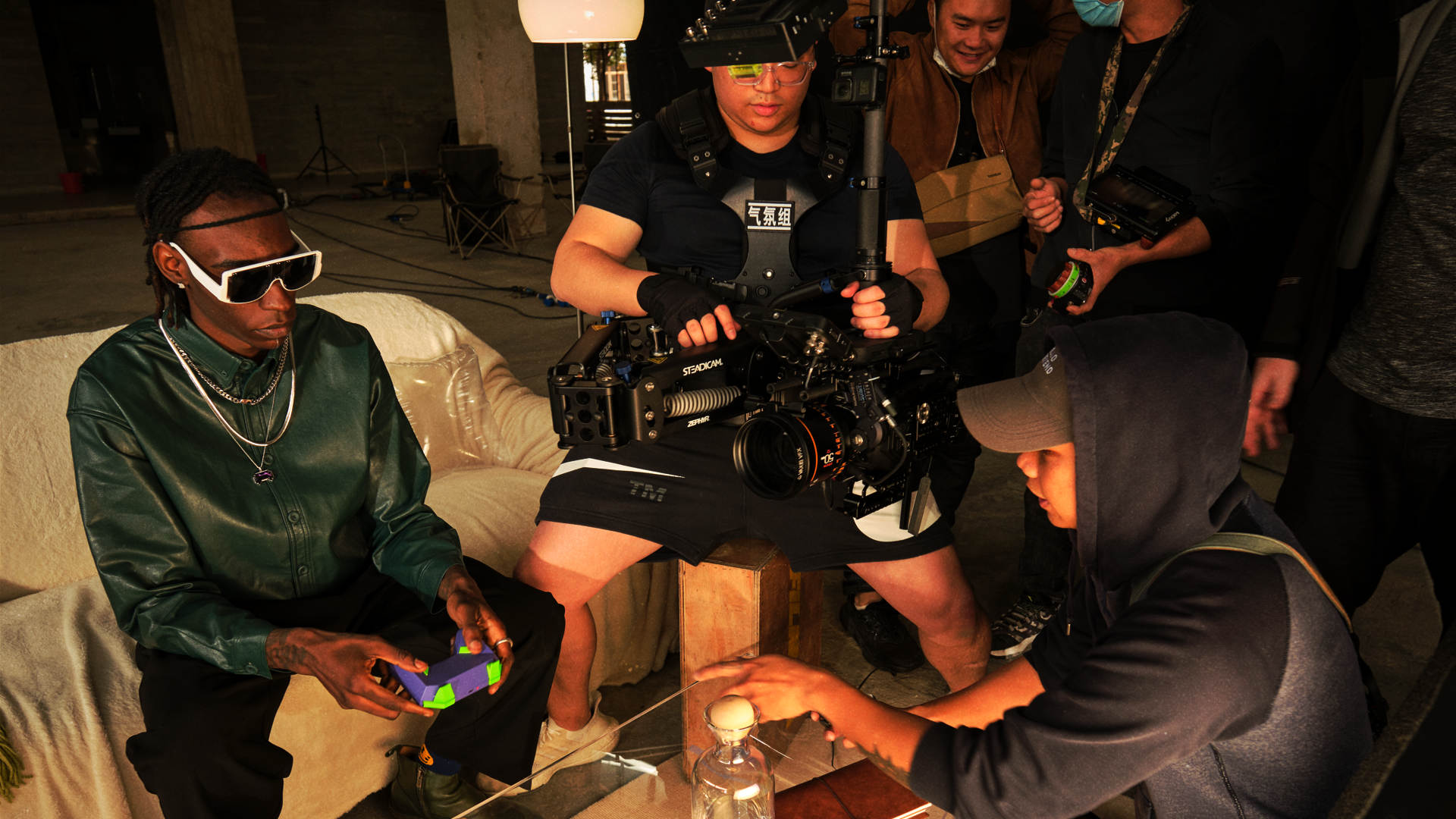
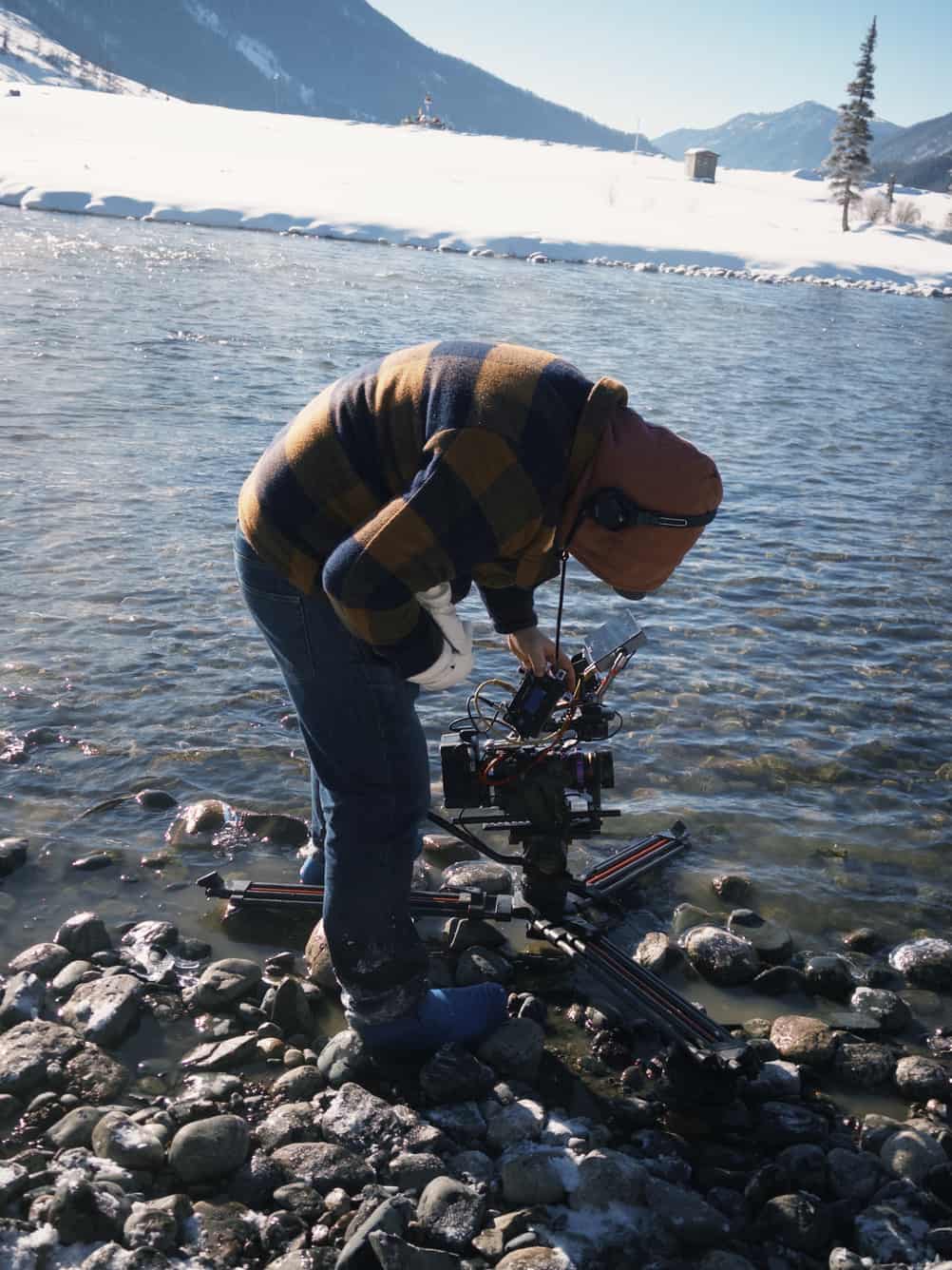
What It's Actually Like Shooting a Feature Film in China
Permits, language barriers, 16-hour days, and some of the most cinematic locations I've ever stood in. Here's what nobody tells you about making a feature in mainland China.
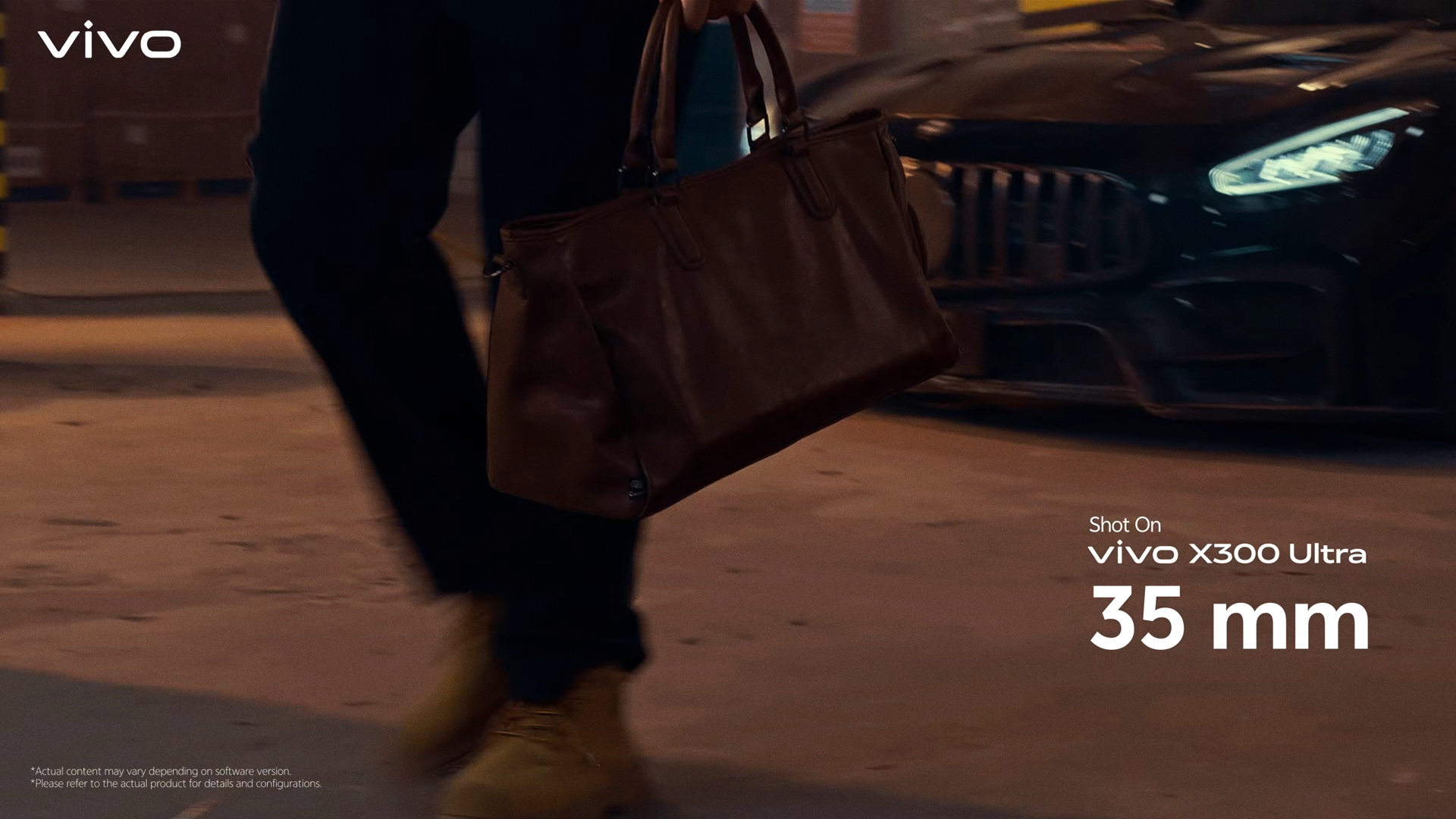
Three weeks before principal photography, the director sent me a one-line message: “We lost the main location. All of it.”
That’s how most feature films in China begin, actually. Not with a catastrophe, but with a recalibration. The country is enormous, fast-moving, and built for improvisation - and if you come in expecting a Western production rhythm, you’ll spend the whole shoot grinding your teeth.
The Prep That Actually Matters
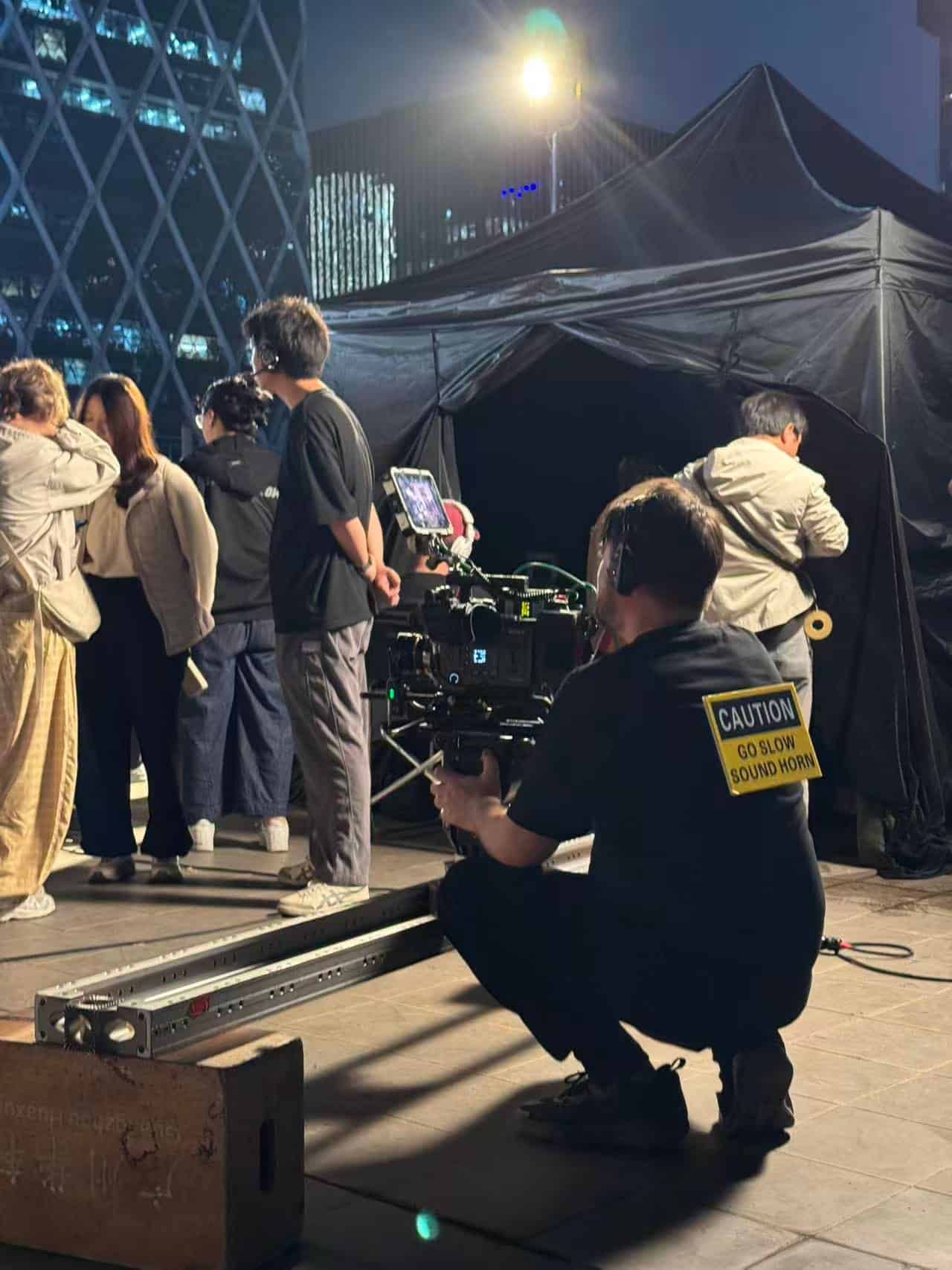
Forget the shot list for a moment. The single most valuable thing I did in pre-production was spend four days location scouting on foot with the production designer and a local fixer. Not in a van. On foot. The streets you find that way - the alleys, the rooftops, the factory floors still running night shifts - those are the ones that end up on screen.
China has this quality of light in the late afternoon that I’ve never found anywhere else. Pollution aside, the haze turns the sun into an enormous diffused source at magic hour. Everything goes amber. Shadows get long and soft at the same time. It’s technically a nightmare for matching shots across days, but visually it’s extraordinary.
We ended up replacing two of the lost locations with spots we’d found on foot. They were better.
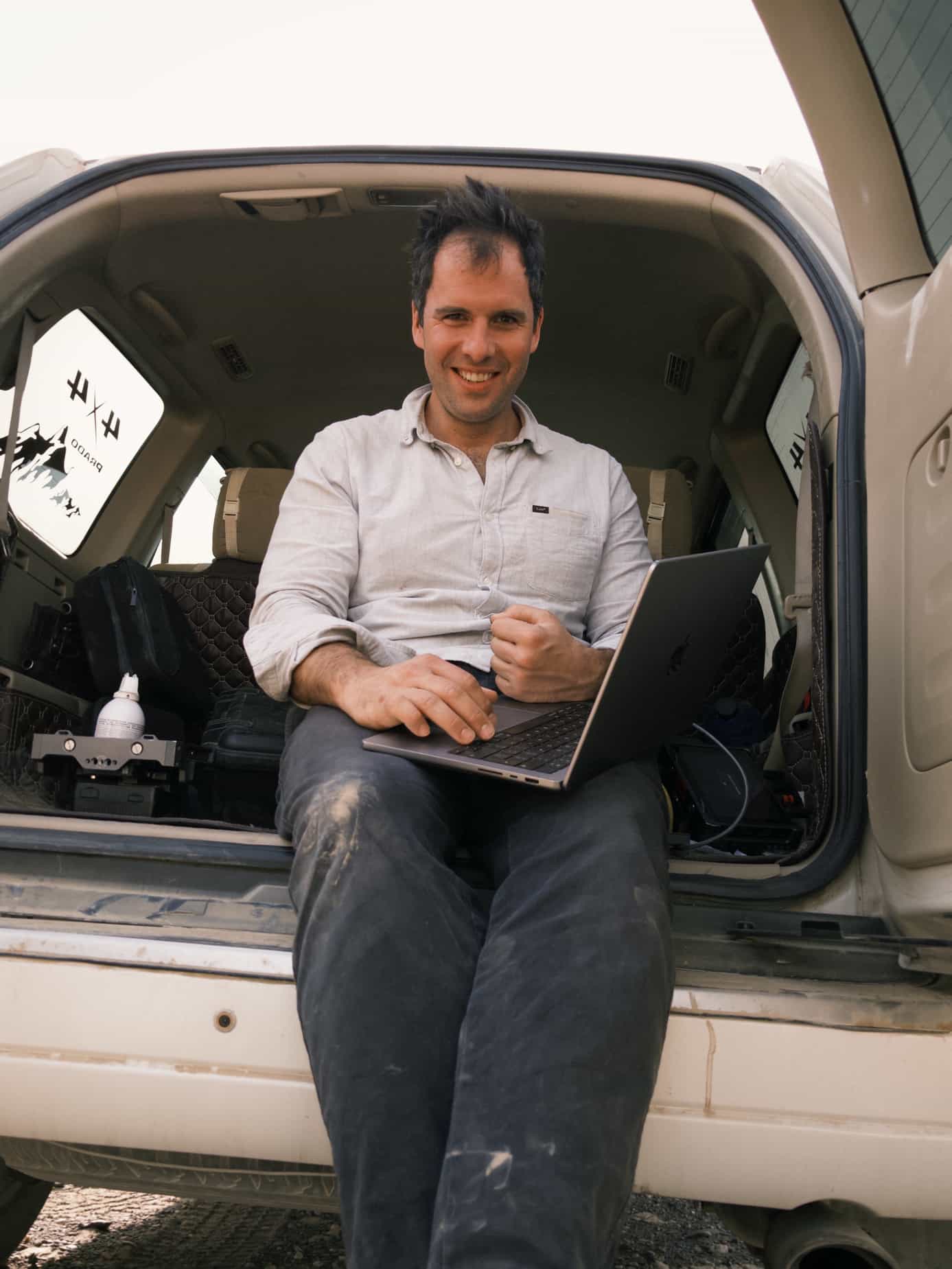

Language, Crew, and Trust
I don’t speak Mandarin. My gaffer does. That relationship was the backbone of the entire shoot.
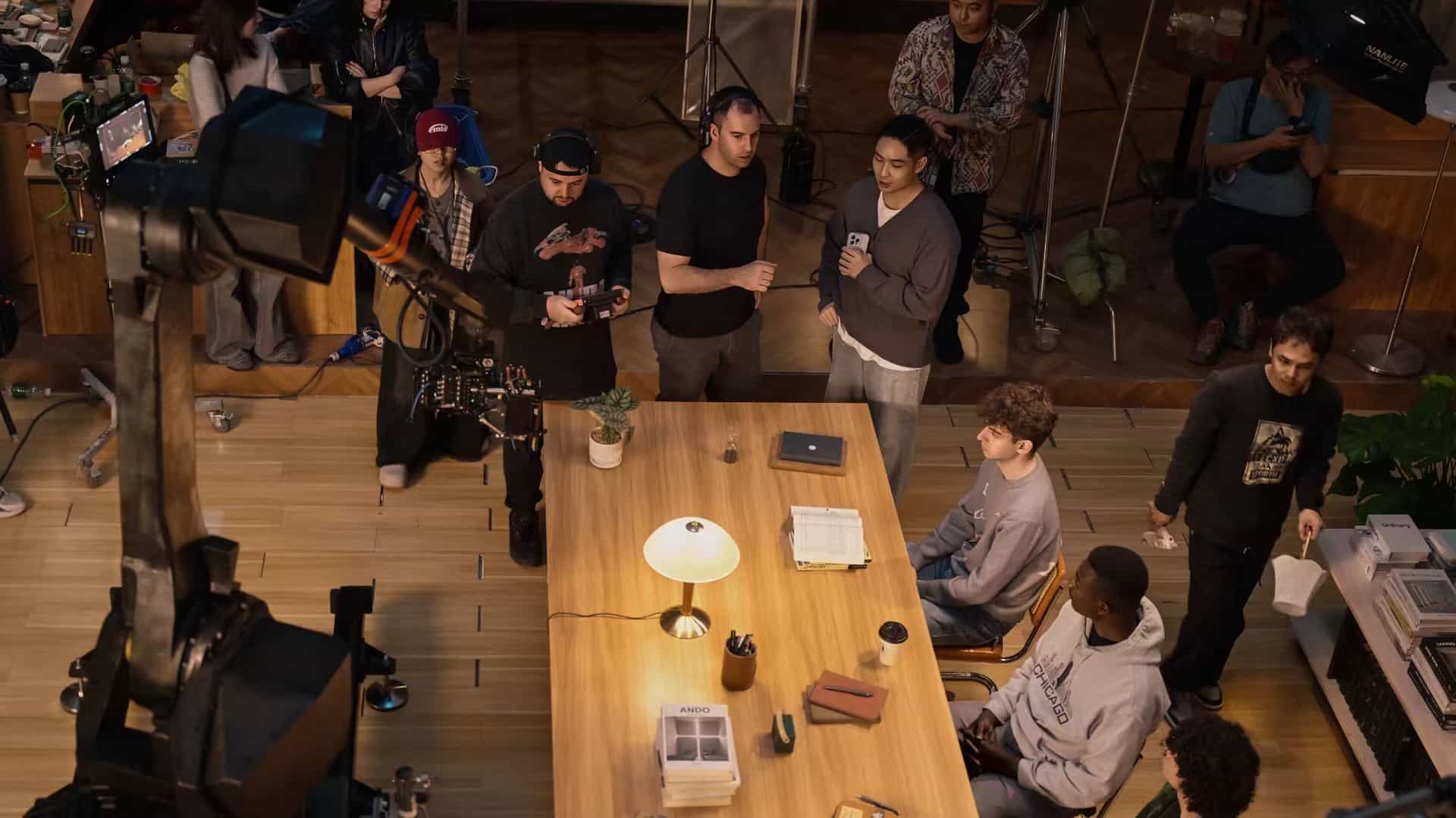
Working through a translator on set is slower than you think and faster than you fear. What matters more is building trust with department heads before the cameras roll. If your gaffer knows what you want before you ask for it, you don’t need to ask - and you don’t need a translator. We did a full day of camera and lighting tests before the first shoot day, which the production coordinator thought was unnecessary. It wasn’t.
The Chinese crew I’ve worked with are some of the hardest-working people I’ve met anywhere in the world. 16-hour days aren’t complained about - they’re expected. The challenge is keeping the creative energy alive by hour 14. That’s a leadership problem, not a language problem.
What I’d Tell a DP Doing This for the First Time
Bring your own lens cloth. Bring two. The humidity in summer production months in southern China will fog everything.
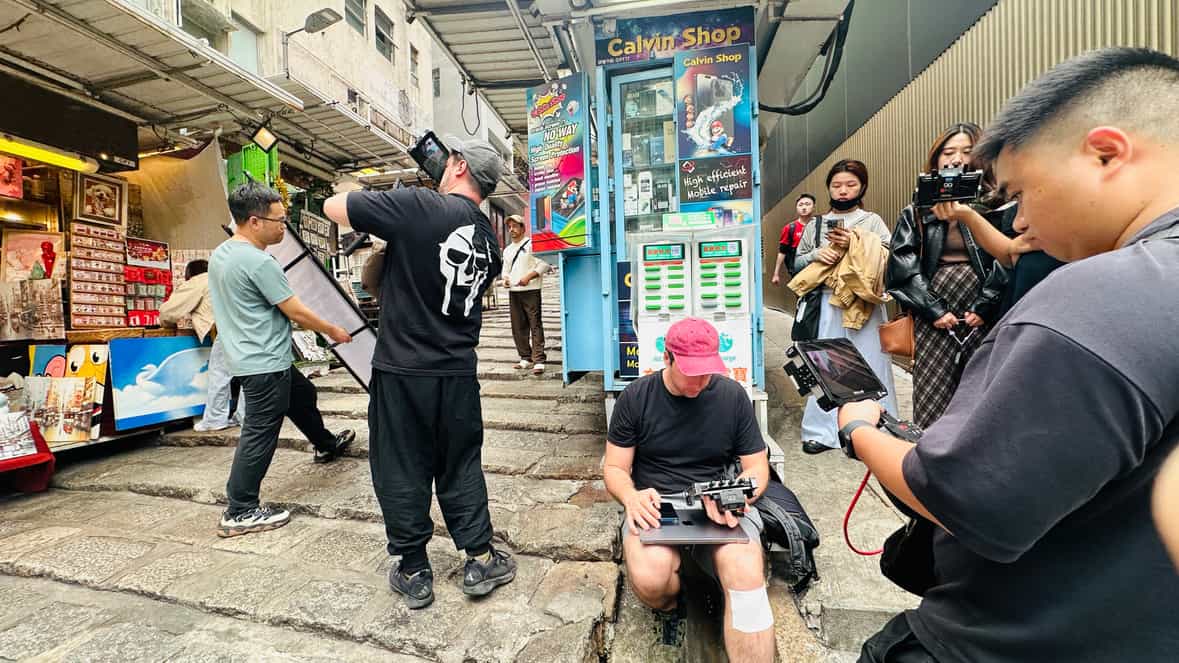
Build an extra hour into every exterior setup. Something will happen - a delivery truck, a crowd, a local official with questions. That hour is not wasted; it’s insurance.
And finally: eat the food. Every time. The crew meals on a Chinese set are genuinely good, and sharing that table is how you earn trust faster than any on-set professionalism.
The feature wrapped in 34 days. We went three days over. I’d do it again tomorrow.